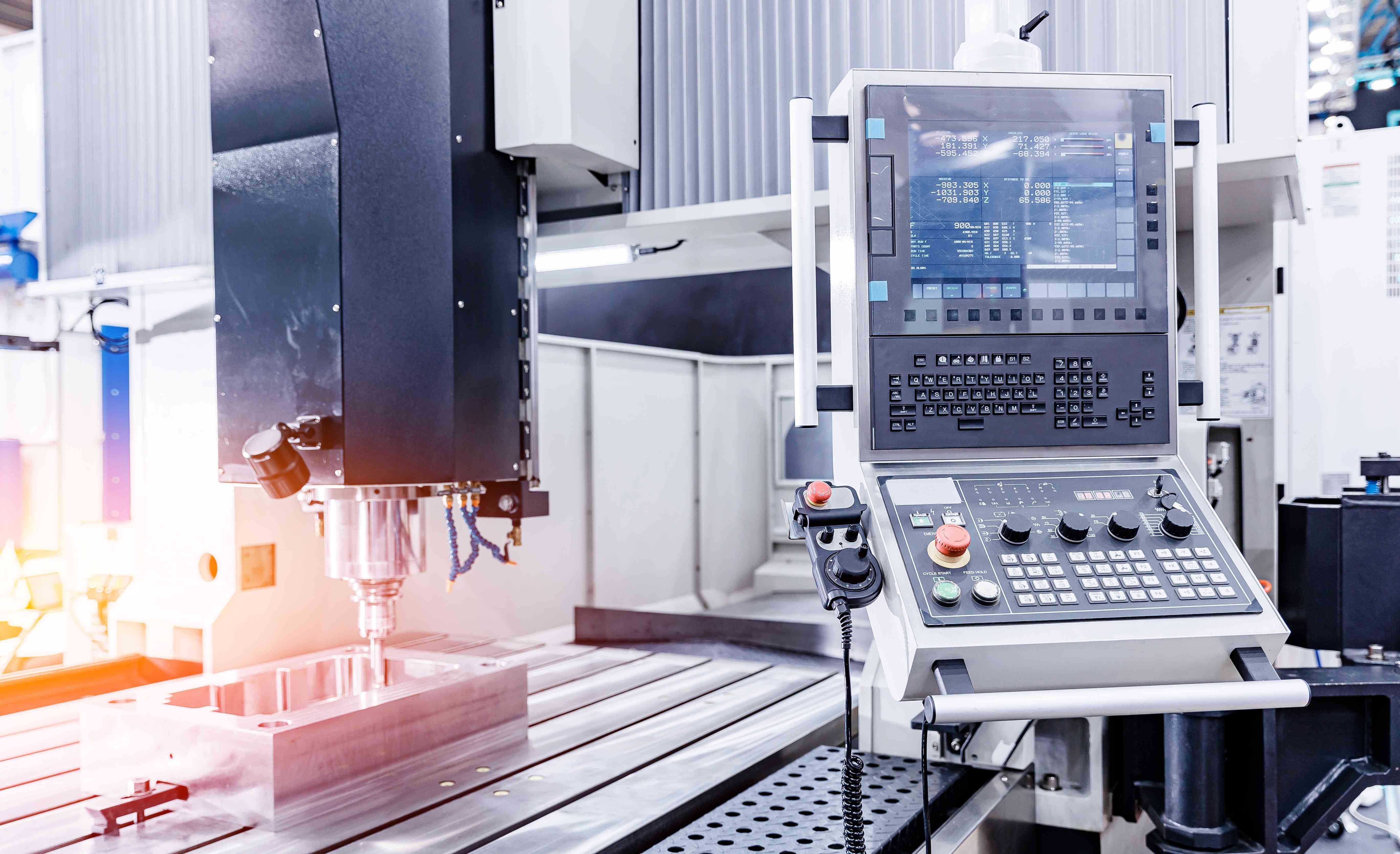
ENGINEERING · MACHINE RETROFIT
Machine retrofit and modernisation.
Develop your existing machinery further. We modernise controls, drives and electrical systems to suit your production goals.
Selected customers






MODERNISE CONTROLS, DRIVES AND MECHANICS
Modernising existing machines.
Discontinued control components, incomplete documentation and increasing failure risk leave many operators with the same question: how can the existing machine continue to operate reliably?
YouTube video
Selecting “Show video” allows YouTube to load this video and receive data such as your IP address. You can withdraw this consent in the cookie settings.

FREE ON-SITE CHECK
Is a retrofit worthwhile for your machine?
Unsure whether modernisation makes sense? During a free on-site retrofit check, we look at your equipment and discuss its condition, your goals and possible improvements.
01
ON SITE
A closer look at your machine
We review its condition, recurring faults and available documentation. You show us what the equipment needs to do in future.
02
YOUR OPTIONS
Assess the case for a retrofit
We discuss possible improvements to controls, drives and electrical systems, and assess which existing components can be retained.
03
NEXT STEP
Clarity for your decision
You receive an initial technical assessment and a practical next step. Detailed planning can be agreed separately if needed.
EXAMPLES FROM PRACTICE
Industrial equipment we modernise.
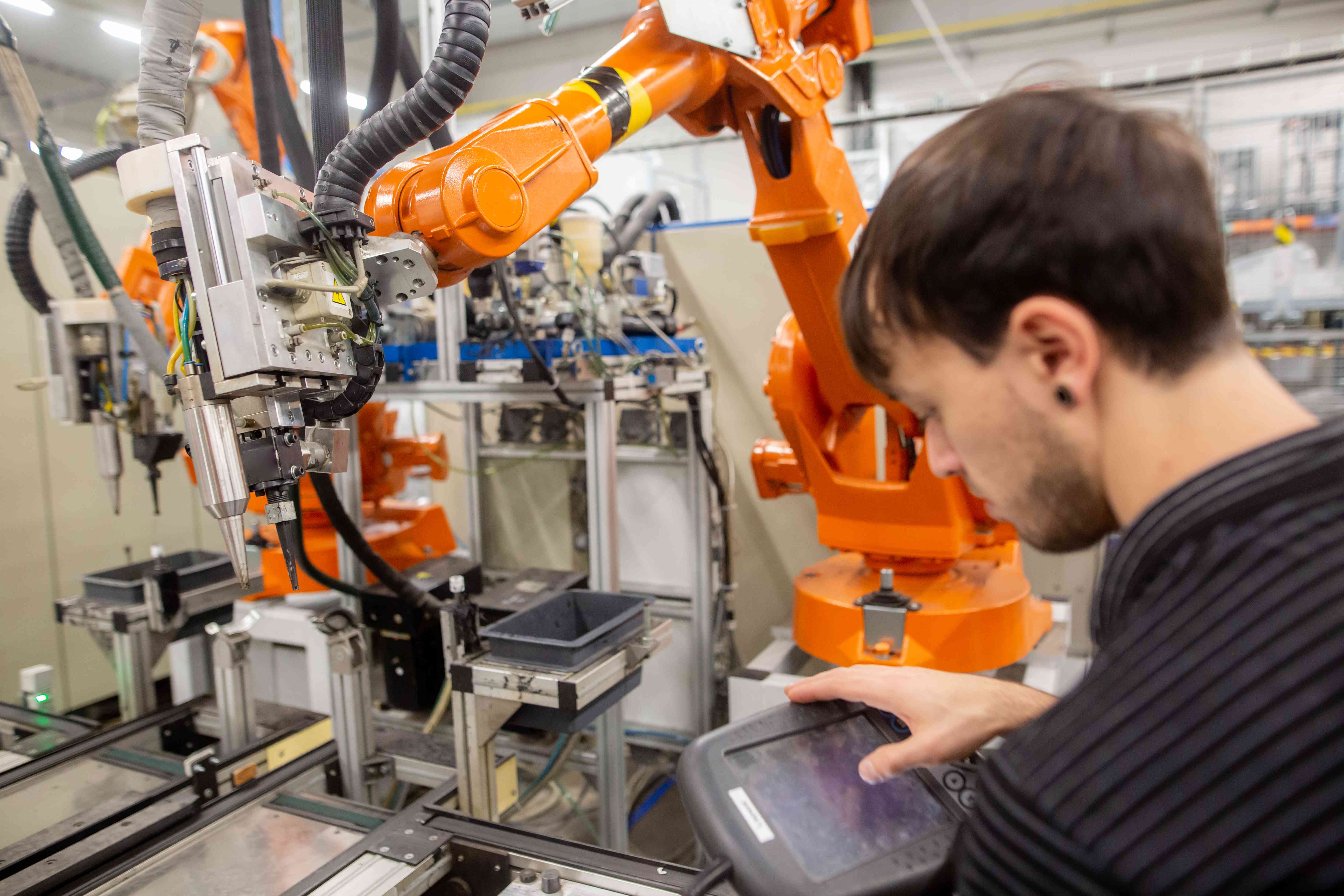
NIKLAS Engineering & Service modernises existing machines, automated cells and linked production lines. Our machine retrofit work covers equipment groups such as:
Manufacturing and processing equipment: Machines for producing, forming, machining and processing components or materials.
Assembly and automation systems: Assembly stations, robot cells and systems for feeding, joining or positioning.
Conveying, handling and packaging equipment: Systems for material transport, sorting, product handling and packaging.
Test, process and special-purpose systems: Test benches and custom-built machines for defined processes and specific production tasks.
The equipment types listed here are drawn from projects we have completed. We also welcome enquiries about other machines and systems.
TECHNICAL SCOPE
Technical scope of the machine retrofit.
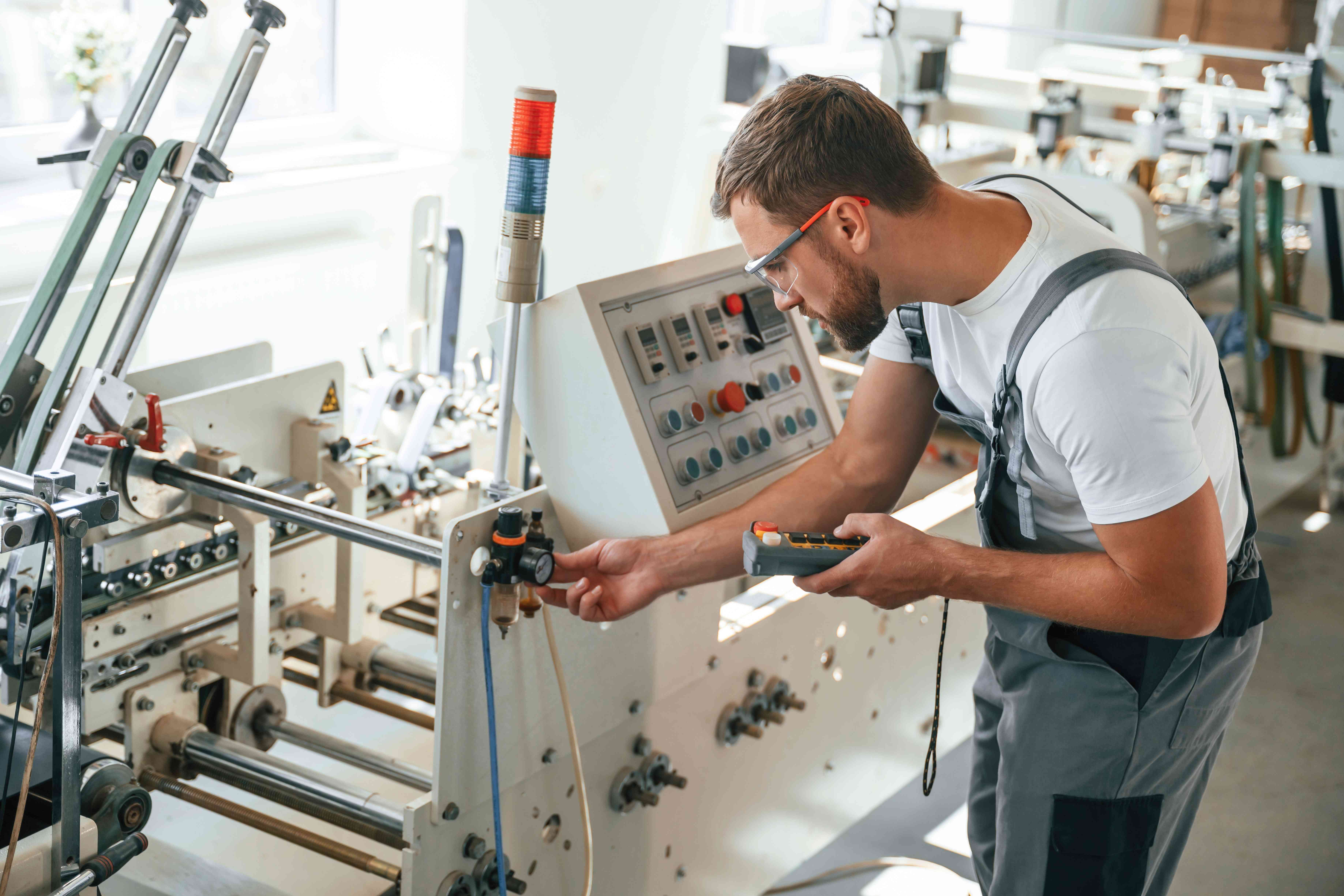
We combine controls, electrical engineering and automation with mechanical modifications and machine safety in one coordinated retrofit package.
01
Retrofit controls, HMI and electrical engineering, with migration to common platforms from leading manufacturers
02
Upgrade sensors, drive technology and mechanical components to current safety standards
03
Increase machine performance through tailored upgrades to mechanics and actuators
04
Add IoT connectivity for remote access, remote service and structured analysis of production data
RECOMMISSIONING & SERVICE
Results of the machine modernisation.
The completed machine retrofit secures system availability, extends diagnostics and remote service, updates machine safety and provides complete digital documentation.
01
SYSTEM AVAILABILITY
Secure system availability and reduce failures
Available components, secured software versions and documented spare-parts management stabilise operation and significantly reduce technical failure risks.
02
REMOTE SERVICE & DIAGNOSTICS
Industry 4.0 – remote access, diagnostics and data analysis
The connected machine enables fast service access, transparent fault diagnostics and structured analysis of process and machine data.
03
MACHINE SAFETY
Safe and standards-compliant operation
The agreed safety upgrade is implemented in line with the current state of technology and documented for commissioning.
04
DIGITAL DOCUMENTATION
Current and fully digital documentation
Circuit diagrams, software versions and project-relevant records are updated, eliminating searches through outdated paper files.
IMPLEMENTATION
How a machine retrofit works.
For Lufthansa Technik AG, we carried out a complete retrofit of an internal test rig.
-
ASSESSMENT
Technical assessment
On site, we assess condition, fault history, documentation, spare parts, interfaces and possible conversion windows.
-
PREPARATION
Prepare conversion packages
We secure the existing system, define conversion packages and plan downtime, materials, software and restart tests.
-
CONVERSION
Convert in our assembly hall or on site
We modernise the machine in our assembly hall or carry out the conversion directly at your site.
-
COMMISSIONING
Handover and commissioning
We test the agreed functions, restart the modernised machine in a controlled manner and hand over software, backups and documentation.
MACHINE RETROFIT QUESTIONS
Retain the machine. Plan the conversion.
Outdated controls, unavailable spare parts and recurring downtime require a decision about continued operation. These questions help assess a retrofit technically and commercially and prepare the system assessment.
- A retrofit is worthwhile when the mechanical components are in good condition and the machine can continue to produce your parts to the required quality.
- It is a suitable option when controls, drives or spare-parts availability are the main limitations and these areas can be modernised with targeted upgrades.
- Compared with a new machine, a retrofit makes financial sense when total costs over the planned service life are lower and the upgraded system meets your requirements.
- Scope can include controls, HMI, electrics, drives, sensors, mechanics, machine safety, diagnostics and remote access.
- Retained components need suitable condition, required functions and compatible interfaces with the new technology.
- Dependencies on peripherals and connected systems determine conversion packages and the boundary between existing and new system responsibilities.
- You can enquire with incomplete documentation; we first check available diagrams, programs, parameters and machine information.
- Missing data may require additional recording, functional analysis and documentation; this preparatory work is assessed separately.
- System access and data that can be backed up or reconstructed support planning of migration and required tests.
- We plan the shutdown around the conversion work, prepared hardware and software, and the tests required for restart.
- Where possible, we complete preparatory work before production stops.
- Before production resumes, we test the modified functions and coordinate the restart with your team.
- Condition, documentation, required functions and integration determine scope; an old PLC alone does not define the effort.
- Hardware, software access, licences, mechanical modifications, safety measures and testing influence cost.
- Following assessment, we describe conversion packages, unresolved issues and available shutdown windows as the basis for a cost framework.
- Send us what you have. Missing information or documents do not prevent an initial enquiry; we clarify any gaps together.
- Manufacturer, year of manufacture, control system and drive types, where known.
- Available photographs, circuit diagrams and backups.
- Known faults and required changes; production volume, variants and interfaces, where known.
- Location, contact person and possible shutdown windows, if already known.
DISCUSS YOUR PROJECT WITH US
Assess a retrofit for your existing machine.
Send machine type, year, control system, required functions, photos, available drawings, program versions and fault history. Include the possible shutdown window so we can prepare the assessment and identify missing information.